By The BILA Wave
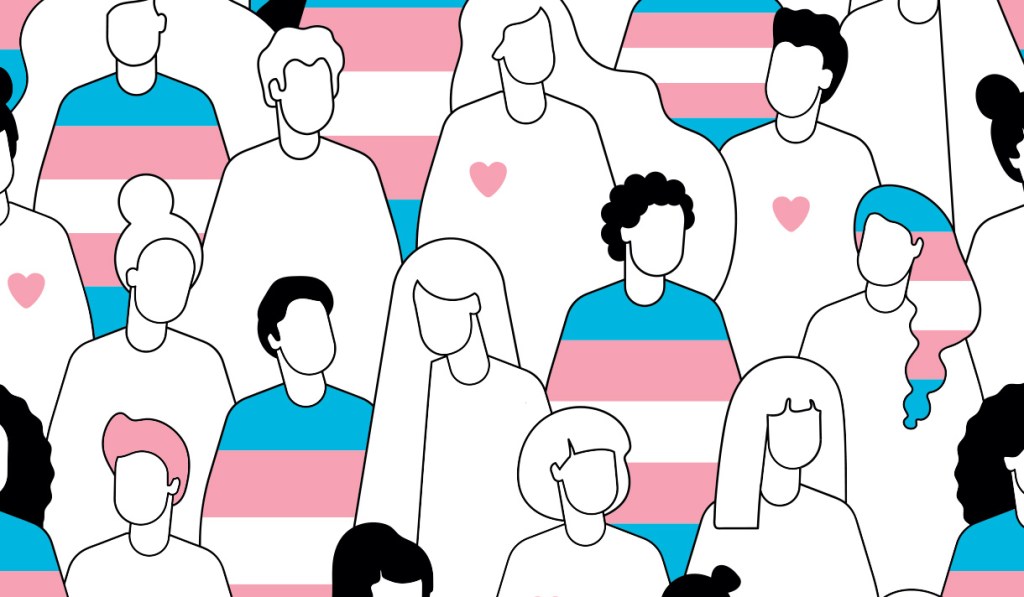
This year, we will celebrate the 16th annual Transgender Day of Visibility (TDOV) on March 31, 2025. This TDOV comes in the midst of attacks on trans rights by the Trump administration.
Transgender Day of Visibility came to be on March 31, 2009, due to the fact that there weren’t many days which recognized the trans community with the exception of Transgender Day of Remembrance (TDOR). TDOR is a day that celebrates the life of transgender people who were unfortunate victims of violent transphobia. This day was made because an African American transgender woman, Rita Hester, 34, from Hartford, Connecticut was murdered.

In Boston, Massachusetts, there is a mural for Hester called Rita’s Spotlight, which was created by a Latinx Caribbean artist Rixy.
Rita Hester was neither the first nor the last trans person to be harmed by transphobia, and today there are still many Trans people who are harmed and/or killed each day. A more recent example is the story of Nex Benedict, a transgender teen who tragically passed away after being attacked in their school’s bathroom.
The only way to stop this violence is for people from every community to come together, not just the trans community.
However, transgender people wanted a day to be heard and to be proud of their identities, not just a day to mourn. So, Rachel Crandall Crocker, a transgender activist founded Transgender Day of Visibility.
When a student here at BILA, Shayla (they/them, tenth grade) was asked about the gender binary, they said: “I think that I’m in between. I think differently. Nothing should have a gender label put on it.”
What Does Being Transgender Mean?
In this section, we’ll discuss several identities that fall under the umbrella term transgender, and discuss some of the different pronouns (she/he/they/other) that they may use. If you don’t know someone’s pronouns, just ask!
Transgender
The majority of people are cisgender, which means your gender identity matches the sex you were given at birth. In other words, if you are cis, you were born a female and you identify as a girl or woman (usually using she/her pronouns), or you were born a male and you identify as a boy or man (usually using he/him pronouns). When somebody identifies as transgender, that means that their gender identity is different from the one they were assigned at birth. Some transgender people may receive medical assistance to medically transition from one sex to another, this is known as transexual, but many prefer to simply identify as transgender.
Nonbinary
When someone identifies as nonbinary , they don’t identify with the male or female binary. Typically nonbinary folk use different pronouns than most people, an example of the pronouns you might see nonbinary folk use is the pronouns they/them/theirs. Some may even use neopronouns, like ze/hir/hirs, which are pronouns that are different common pronouns such as she/her/hers or he/him/his.
Intersex & Intergender
Intersex and intergender individuals typically happen to be similar, however they’re not quite the same.
What Issues Do Trans Folks Face?
According to the Human Rights Campaign (HRC), trans folks face higher rates of poverty, lack of healthcare coverage, lack of legal protection, inaccurate identity documents, and stigma, harassment, and discrimination. Trans people experience violence at rates far above their cisgender counterparts. According to the HRC, “Over a majority (54%) of trans people have experienced some form of intimate partner violence, 47% have been sexually assaulted in their lifetime and nearly one in ten were physically assaulted in between 2014 and 2015.” These statistics are only a brief look at the tragedies faced by transgenders, which is exactly why TDOV is so important. TDOV allows transgenders to have the attention and support they need from their communities.
How We Can Celebrate Trans Visibility Day
There are many different ways to celebrate or honor any holiday, but TDOV is a day focused on celebrating trans pride, which some people may not know how to do. Below are several examples of how to celebrate and enjoy TDOV.
- Art: Despite all the actions taken to highlight transgender’s talents, many hard working artists go unnoticed due to constant transphobia. Thankfully Mushroomy is combating this transphobia by highlighting trans artists as well as original artwork by transgender artists.
- Music: TDOV gives us a chance to put trans musicians in the spotlight. If you’re into broadening your musical horizons check out Billboard’s article about current transgender and nonbinary musicians.
- Protest/Marches: To celebrate TDOV a trans owned non profit organization, NYC Youth For Trans Rights, organized a march that will take place on March 31st in Union Square Park, Manhattan.
Issues Faced by Trans Youth
Many young trans people, especially students, may face bullying or harassment. Health Partners, in an article, about transgender mental health, wrote, “Many trans people have one or more mental health disorders.” Of these mental health disorders, trans youth are largely impacted by anxiety. This is sadly because of the harsh treatment they are likely to receive at school, and even at home and while all trans youth face these issues, trans youth of color are disproportionately affected by these problems. TDOV seeks to give these youth a day where they are appreciated rather than shamed.
Famous Trans Celebrities & Historical Figures
There are plenty of famous trans people but not everyone is aware of that due to the lack of coverage that the trans community receives. Here’s a list of ten distinctive famous and historical transgenders .
- Marsha P. Johnson (Liberation activist, LGBTQIA+ activist, and drag queen)
- Lili Elbe (Painter, received first documented gender affirming surgery)
- Elliot Page (Actor, film producer, and LGBTQIA+ activist)
- Josie Totah (Actress, transgender activist)
- Laverne Cox (Actress and LGBTQIA+ activist)
- Bella Ramsey (Non-Binary/Gender Fluid actress and LGBTQIA+ activist)
- Kye Allums (Former basketball player and LGBTQIA+ advocate, and public speaker)
- Christine Jorgensen (WWII veteran, actress, singer, recording artist, and transgender activist)
- Miss Major Griffin-Gracy (Author, activist, and community organizer for transgender rights)
- Lucy Hicks Anderson (Socialite, chef, and philanthropist)
Resources for LGBTQ+ Students
This section is for any LGBTQ youth seeking help with shelter or mental health issues. It can be hard to find help in your community, that’s what BIlA Wave is trying to change with this article.
1-866-488-7386 to speak with a trained counselor at The Trevor Project. The Trevor Project is a suicide prevention hotline devoted to LGBTQ youth.
1-800-273-8255 to speak with the National Suicide Prevention Lifeline. The National Suicide Prevention Lifeline connects people in crisis to counselors, free of charge, across the United States.
1-800-273-8255 to speak with a counselor from the American Foundation for Suicide Prevention. The American Foundation for Suicide Prevention provides resources and research to prevent suicide.
Can also text HOME to 741741 to connect with a Crisis Text Line counselor via text message. If needed, there are more resources at Resources for LGBTQ Youth
If you have run away, or are considering running away, consider reaching out to the resources below:
- OCFS oversees Runaway and Homeless Youth Shelters in New York State.
- Check out the directory of programs across New York State.
- Find a 24-hour or crisis hotline for shelters.
- The National Runaway Safeline for confidential and affirming support: 800-786-2929. They also offer text and email support, and a forum for peer discussion.
- The Ali Forney Center is dedicated to housing LGBTQ runaway and/or homeless youth. The Ali Forney Center serves youth ages 16-24 in New York City.
Pride for Youth provides services and advocates for LGBTQ youth in Queens, Nassau, and Suffolk counties.
 The BILA Wave
Leave a comment